
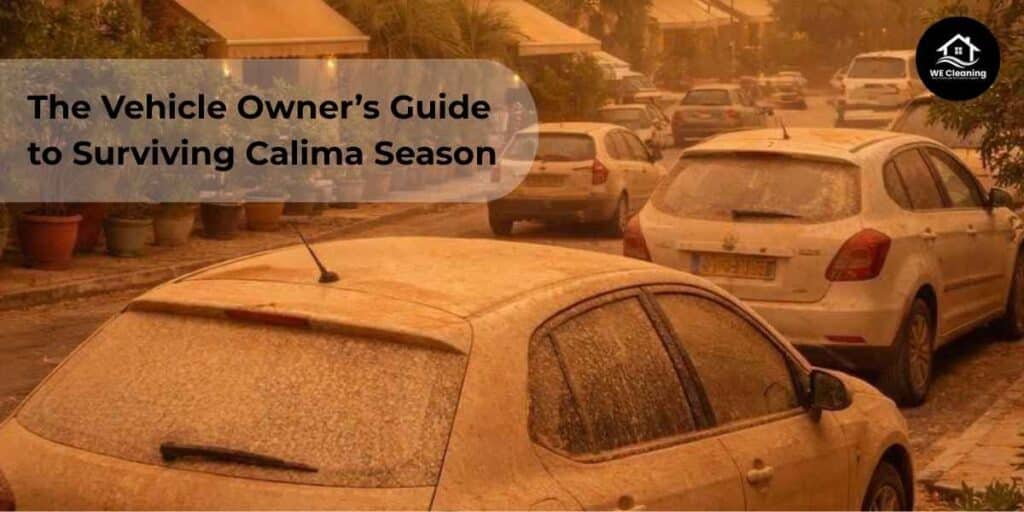
If you own a vehicle on the Costa del Sol, you are familiar with the frustration of finding your car covered in orange Saharan dust. This can happen whether you park in Marbella, Málaga, or along the coastal hills of Mijas. A heavy dust storm can turn a clean car into a dirty one overnight.
However, treating this fine dust like regular road dirt can damage your vehicle’s clear coat, glass, and engine parts. To protect your car, you have to learn about Calima season vehicle care. So, keep reading to learn more. This will help keep your paintwork safe, preserve your engine filters, and keep your vehicle looking good without expensive repairs.
Understanding Calima Dust and Vehicle Risks
A Calima happens when strong weather systems over North Africa lift large amounts of dust from the Sahara Desert into the air. Southerly winds, like the levante, carry this dust across the Mediterranean Sea to Andalusia. The Agencia Estatal de Meteorología (AEMET) reports that these dust storms often reduce air quality and cover coastal areas several times each year.
The impact of this dust on your vehicle depends on how it settles. In dry weather, fine dust particles fall and cover surfaces with a light, powdery mineral layer. However, when this high-altitude dust mixes with light rain, it creates mud rain (lluvia de barro). As the rainwater dries under the Mediterranean sun, it forms a hard mineral crust that sticks tightly to car paint.
Abrasive Minerals and Clear Coat Scratching
Saharan dust can be more harmful than regular city dirt because of its mineral makeup. It mainly consists of tiny quartz, silica (SiO₂), iron oxides, and calcium compounds. On the Mohs scale, quartz has a hardness level of 7, while car clear coats usually range from 2 to 3. This means that if you don’t handle Calima dust carefully, it can cause immediate and permanent damage to the surface.
✅ Mechanical Scratches:
When dry quartz particles are dragged across your car’s paint, they act like rough sandpaper. This creates deep scratches and swirl marks in the clear coat.
✅ Thermal Baking:
Intense Mediterranean sunlight heats the car panels, causing acidic mineral deposits to bake into the soft clear coat.
✅ Corrosive Synergies:
When the dust mixes with moist coastal air, it forms a sticky film that can damage the paint. You can explore how coastal sea air accelerates paint damage, especially on highways like the A-7.
Impact on Engine Air Filters and Cabin Air Quality
Calima dust doesn’t just stay on the outside of your car; it can also enter your vehicle’s intake channels. As the engine pulls in air, the heavy dust can quickly clog the engine air filter. This reduces airflow and messes with the air-fuel ratio, making the engine work harder and lowering fuel efficiency.
Meanwhile, fine particles can enter the vehicle’s ventilation system, clogging the cabin pollen filter (filtro de habitáculo). If you don’t address this, these tiny particles can circulate through the air vents, lowering air quality inside the car and causing respiratory issues.
Learn more about how Calima dust affects engine performance and air filters to keep your vehicle running well.
Safe Steps for Removing Calima Dust from Your Car
To remove Saharan dust safely, follow a strict non-contact pre-cleaning process. The main goal is to lift abrasive particles off the paint before using any wash mitt or microfiber towel on the vehicle surface. Learning expert steps to remove Saharan dust without scratching your paint will help you avoid expensive detailing mistakes.
Step 1: High-Pressure Rinse and Pre-Soak Foam
✔️ Contactless High-Pressure Rinse:
Park your car in the shade. Use a pressure washer to rinse the car from top to bottom. Keep the nozzle at least 30 cm away from the paint to wash away loose dust with only water.
✔️ Apply High-Lubrication Snow Foam:
Spray a thick layer of pH-neutral snow foam over the entire car. The foam helps to lift and separate the dust from the clear coat.
✔️ Let it Sit:
Allow the foam to sit for 3 to 5 minutes, but do not let it dry on the car.
✔️ Rinse Again:
Rinse the car thoroughly from bottom to top to remove the dirt, and finish with a rinse from top to bottom. If you don’t have a pressure washer, consider using a professional car wash service for safe rinsing.
Step 2: The Two-Bucket Wash Method
After the heavy dust is gone, use the two-bucket wash method for any remaining dirt.
- Prepare Buckets: Fill Bucket A with clean water and a pH-neutral car shampoo. Fill Bucket B with plain water, adding grit guards to both buckets.
- Wash the Car: Dip a microfiber wash mitt into Bucket A. Wash one panel at a time using straight motions. Avoid circular motions to prevent swirl marks. Rinse the mitt in Bucket B before dipping it back into Bucket A to release trapped dust.
Step 3: Engine Bay and Intake Filter Checks
After washing the car exterior, check the engine bay and areas where dust can collect.
- Inspect the windscreen wiper cowl and clear away trapped dust deposits using a damp cloth.
- Lightly wipe rubber seals and drainage channels to stop sludge from building up.
- Open the air filter housing and check the paper filter’s condition.
- Carefully vacuum loose dust from the air box without using pressurized air, as that can push dust deeper into the engine.
By following these steps, you can safely remove Calima dust from your car without damaging the paint.
Protecting Your Vehicle Before the Next Storm Hits
Taking steps ahead of time creates a barrier that helps prevent dirt and minerals from sticking to your vehicle. This makes washing it faster after a storm.
Ceramic Coatings vs. Traditional Wax for Calima
Choosing the right paint protection depends on how you use your vehicle, where you store it, and how much maintenance you want to do.
Feature | Carnauba Wax | Synthetic Polymer Sealant | Professional Ceramic Coating |
Heat Resistance | Low (Melts under direct summer sun) | Moderate | Extreme (High thermal resistance) |
Dust Release Ability | Low (Grit sticks to soft wax) | Moderate | Superior (Slick hydrophobic finish) |
Service Lifespan | 4 to 6 weeks | 3 to 6 months | 2 to 5+ years |
Abrasion Defense | None | Minimal | High resistance to micro-marring |
While traditional organic waxes melt under intense Mediterranean heat, ceramic coatings form a hard chemical bond with the clear coat. This slick, hydrophobic surface prevents mud and rain from sticking, allowing heavy dust to wash off easily with a quick rinse.
Tips for Protecting Your Car Interior and HVAC System
Caring for your car’s interior is as important as keeping the paint looking good. During Calima alerts, change your air conditioning to internal recirculation mode. This shuts off the outside air intake and keeps fine dust from entering the cabin air filter.
In addition, use a good leather conditioner on your upholstery and apply silicone spray on rubber window seals. Sahara air can lower humidity, which dries out leather and damages rubber parts over time.
To restore your car’s interior and remove hidden dust from air vents, book a comprehensive car interior cleaning service.
Local Rules and Responsible Car Care in Málaga
Keeping your vehicle clean in Málaga means balancing proper care with local environmental rules.
Andalusian Water Restrictions
During dry periods, regional authorities implement drought protocols (decretos de sequía) that restrict non-essential water usage across municipal areas like Marbella, Estepona, and Fuengirola.
Washing vehicles with a hosepipe on public roads or private driveways is often restricted or banned. Vehicle owners should check the guide to Andalusian water restrictions for washing cars to ensure they follow the rules. Using commercial car wash stations with certified water recycling systems allows you to wash your vehicle legally without risking fines.
Mobile and Professional Waterless Detail Options
When traditional hose washing is restricted, specialized mobile detailing offers a safe, legal alternative. Professional mobile units use high-lubrication waterless wash formulas that capture dust particles on contact.
This allows technicians to lift dust safely using plush microfiber towels without generating wastewater runoff. Choosing an eco-friendly waterless car wash keeps your vehicle clean while saving precious regional water resources.
Alternatively, booking a mobile vehicle wash on the Costa del Sol brings fully equipped, compliant vehicle care directly to your private villa, urbanización parking space, or commercial fleet.
Post-Calima Vehicle Inspection Checklist
After heavy Saharan dust falls, follow this quick checklist:
- Paintwork & Clear Coat: Look for mineral spots or etching on horizontal surfaces like the roof and boot lid.
- Windscreen & Wipers: Clean the rubber parts of wiper blades and clear the washer fluid nozzles.
- ADAS Cameras & Radar Sensors: Wipe reversing cameras and radar sensors to ensure they function properly.
- Alloy Wheels & Brakes: Rinse dust from inside alloy wheels and around brake parts to prevent rust.
- Cabin Air Quality: Inspect the cabin air filter and replace it if it appears gray or clogged with orange dust.
👉 Access a complete post-Calima vehicle maintenance checklist to audit every vehicle surface systematically.
Keeping Your Vehicle Protected Year-Round
To get through the Calima season safely, practice smart prevention and proper maintenance. Avoid rubbing surfaces dry, rinse before washing, and apply protective coatings to your vehicle. By cleaning your car with water-efficient methods, you can maintain its value while following local rules.
Contact WE Cleaning today to explore professional mobile detailing, specialized paint protection, and water-efficient vehicle care solutions tailored to your needs.
FAQs About Vehicle Care During Calima Season
How soon should I wash my car after a Calima?
Rinse your vehicle as soon as active dust fallout ends or when mud rain dries. Leaving mineral mud on paintwork allows intense UV light to bake acidic minerals into the clear coat, causing permanent etching within days.
Can I use my windscreen wipers during a dust storm?
No. Activating windscreen wipers across dry, dust-covered glass drags sharp quartz particles across the windshield, causing deep scratches and wearing down the wiper blade rubber. Always flush the glass with large washer fluid or rinse it manually before turning on your wipers.
Is automatic drive-through washing safe after Calima?
No. Automatic drive-through car washes feature heavy nylon brushes that trap rough mineral dust from preceding vehicles. These rotating brushes drag trapped grit across your clear coat, causing intense swirl marks and deep scratches.
Does insurance cover Calima paint damage in Spain?
Standard comprehensive auto insurance (todo riesgo) in Spain generally treats Calima paint damage as environmental wear-and-tear or atmospheric weathering, excluding it from standard claims. Proper preventative protection and safe washing methods remain your best defense.


