
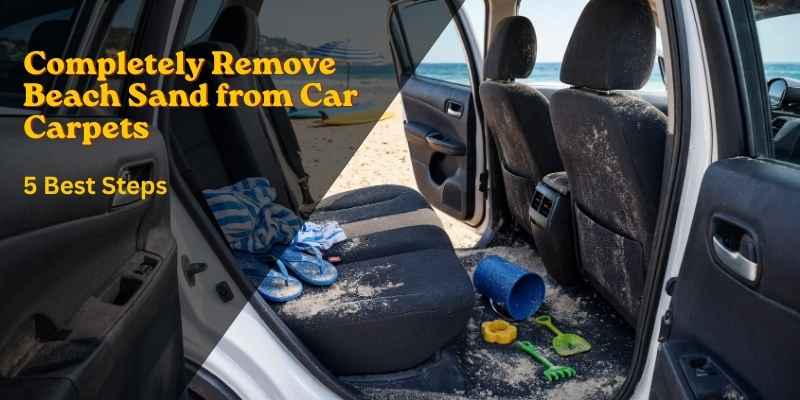
Beach days on the Costa del Sol are one of the best parts of living near the Mediterranean. However, the sand that comes home with you can become a frustrating problem, especially when it gets trapped deep inside car footwells.
Drivers in areas such as Marbella, Fuengirola, and Mijas often find that ordinary vacuuming removes the surface dirt but leaves hidden grains behind. Learning how to remove beach sand from car carpets properly requires more than suction alone.
This guide explains a practical step-by-step method using drying, agitation, vibration techniques, and careful extraction to clean your vehicle interior without damaging carpet fibres.
Why Beach Sand Gets Trapped in Car Carpets
Beach sand is different from regular dirt or dust. When you bring it into your car on your shoes, towels, or beach bags, its tiny structure interacts with your car’s carpet in a way that makes it hard to vacuum out.
Fiber Friction and Deep Carpet Weaves
Most cars today have synthetic carpets made of loop pile or cut-pile fibers. These materials are strong and stain-resistant, but their tight weaves create small pockets.
Beach sand is mostly made up of coarse quartz and silica particles with sharp edges. When passengers step into the car, their weight pushes these sharp particles down into the carpet, where they get stuck against the carpet’s backing.
The flexible synthetic fibers then close over the sand, creating friction that keeps it in place, even against the vacuum’s suction.
The Problem with Vacuuming Damp Sand
Trying to clean damp sand, which might be wet from the ocean or humidity, is a common mistake. Water makes the sand clump together, forming a heavy, mud-like mixture.
Low-CFM (cubic feet per minute) household vacuums often don’t generate enough suction to lift these wet clumps and overcome the stickiness holding them to the carpet. Instead of removing the sand, the vacuum just moves over it or pushes it deeper into the carpet.
Essential Tools for DIY Sand Extraction
Using a standard vacuum nozzle to extract sand can be frustrating. Instead, gather a special, budget-friendly toolkit to make the process quicker and more efficient.
Tool Category | Recommended Item | Primary Function |
Physical Agitation | Stiff nylon carpet brush | Opens carpet pile weave and lifts surface grit |
Edge & Pet Hair Removal | Rubber pet hair blade / Squeegee | Pulls hidden grains out of corner seams |
Kinetic Vibration | Household massage gun or drill brush | Shakes deeply embedded silica up to the surface |
Suction & Extraction | High-CFM wet/dry vacuum + crevice tool | Focuses negative air pressure onto dislodged sand |
Dry Brushes, Rubber Blades, and Nozzles
- Stiff Nylon Brushes: Use medium-stiff synthetic bristles. Avoid wire brushes, as they can damage automotive carpet fibers.
- Rubber Pet Hair Blades: These rubber edges create static friction that helps lift sand stuck against trim panels and floor edges.
- Narrow Crevice Vacuum Attachments: A narrow crevice tool directs airflow into a small space, increasing suction power compared to wider attachments.
Mechanical Options: Massage Guns & Drills
Using your hands to brush can be tiring. Save time and effort by using household power tools for extra help:
- Percussive Massage Guns: Place a flat massage head against the carpet backing or floorpan. This sends quick shockwaves through the fabric, lifting heavy sand to the surface.
- Cordless Drill Brush Attachments: Attach medium-duty nylon brush heads to a cordless drill. They agitate carpet fibers rapidly, loosening stuck dirt in no time.
Step-by-Step Guide to Removing Embedded Sand
Use this guide to easily remove embedded sand from your vehicle’s carpet without damaging the fibers.
[Step 1: Complete Drying] ➔ [Step 2: Cross-Hatch Brushing] ➔ [Step 3: Kinetic Percussion] ➔ [Step 4: Crevice Extraction]
Step 1: Let the Interior Dry Completely
Make sure the interior of your car is completely dry. Park your vehicle in a sunny spot with good airflow. Open the doors to let the air circulate.
This will dry out any moisture and turn clumped mud into loose sand, making it easier to clean.
Step 2: Brush the Carpet Fibers
Take out all rubber or fabric floor mats and clean them outside. Use a stiff nylon carpet brush to scrub the carpet in a cross-hatch pattern.
First, brush north to south, then east to west. This will help lift the sand trapped in the fibers. Gather the sand toward the middle of the footwell.
Step 3: Use Vibration to Lift Sand
Get a percussion massage gun or an orbital polisher with a carpet brush attachment. Hold the vibrating head about 2 to 3 inches above the area with sand. The vibration will help lift the sand grains to the surface of the carpet.
Step 4: Vacuum the Sand
Use a wet/dry vacuum with a narrow crevice nozzle. Hold it vertically against the carpet and make slow, overlapping passes.
Keep the vibrating tool on while you vacuum. This will help lift the sand just as you are vacuuming it up.
Common Mistakes That Make Sand Harder to Clean
A few common mistakes can turn a simple cleanup into a tough job:
- Don’t Use Carpet Cleaner Too Early: Never spray foaming cleaners or water on carpets that still have dry sand. Adding moisture turns dry sand into a sticky paste that gets trapped deep in the carpet, making it hard to remove.
- Don’t Vacuum Too Hard: Pushing vacuum attachments too forcefully into the carpet can press sand further into the backing and scratch surrounding areas.
- Don’t Leave Damp Carpet Under Mats: After a beach trip, if you leave wet carpet under mats, it can cause mold and bad smells. If you have issues with dampness, check out our guide for removing damp swimsuit odors from vehicle upholstery.
When DIY Cleaning Doesn’t Work: Professional Help
If you frequently go to the beach, sand can settle into hard-to-reach places like carpet seams and seat tracks. This can cause problems over time.
Professional detailers use powerful tools, like air guns, to blast out sand from deep within the carpet. If your vehicle’s footwells are full of sand, consider booking professional car cleaning in the Costa del Sol. They have the right equipment to restore your carpets.
How to Keep Sand Out of Your Car
To prevent sand from building up in your car, follow these smart tips:
- Install Rubber Floor Mats: Deep rubber mats catch sand, salt, and water before they reach your carpet.
- Keep a Soft Brush in the Trunk: Use it to brush sand off feet, legs, beach bags, and pets before getting in the car.
- Use a Cargo Tray: Put sand from beach bags and coolers into a washable trunk liner.
- Rinse Feet After the Beach: Clean off sand and salt at showers before heading home.
Keeping your vehicle clean isn’t just for looks; it also helps with driving safety. According to DGT road safety and vehicle maintenance standards, keeping the driver’s footwell free of clutter stops objects from getting in the way of the pedals.
For more tips on taking care of your car, check out our complete end-of-summer vehicle maintenance checklist.
Keep Your Car Sand-Free on Costa del Sol
To completely remove beach sand from car carpets, let the fabric dry fully, use a cross-hatch brushing method to open the carpet weave, and apply shaking to lift deep sand into the vacuum.
By avoiding early wet cleaning and using mechanical cleaning methods, you can keep your car’s interior fresh during beach season on the Costa del Sol. If you find it hard to clean it yourself, a professional detailing company like WE Cleaning can ensure a sand-free finish
FAQs About Beach Sand Car Carpet Cleaning
Can beach sand damage car carpet backing?
Yes. Sand consists of fine quartz and silica grains with sharp edges. When people step on sandy carpets, the grains rub against the carpet backing and foam underneath like sandpaper. Over time, this rubbing can break the carpet fibers, causing bald spots, loose threads, and thinning.
Does a household vacuum work on sand?
Standard household vacuums often do not have the right power for car carpets. While home vacuums are designed for flat surfaces, car carpets need strong airflow (measured in CFM) and narrow attachments to lift heavy sand from curved footwells.
How do you handle wet sand and salt residue?
Always clean up sand in two steps. First, let the interior dry completely and remove all dry sand using vibration, brushing, and a strong vacuum. After all the solid particles are gone, use a slightly damp microfiber cloth with a mild fabric cleaner to wipe away white sea-salt rings left on the carpet fibers.
How do I avoid rental car sand cleaning fees at Málaga Airport?
Rental car companies at Málaga Airport (AGP) check for beach sand and may charge high fees if vehicles are not clean. To avoid these fees, remove the floor mats, shake them out well, use a stiff brush on the footwells, and do a quick vacuum at a local service station before returning the car.


