
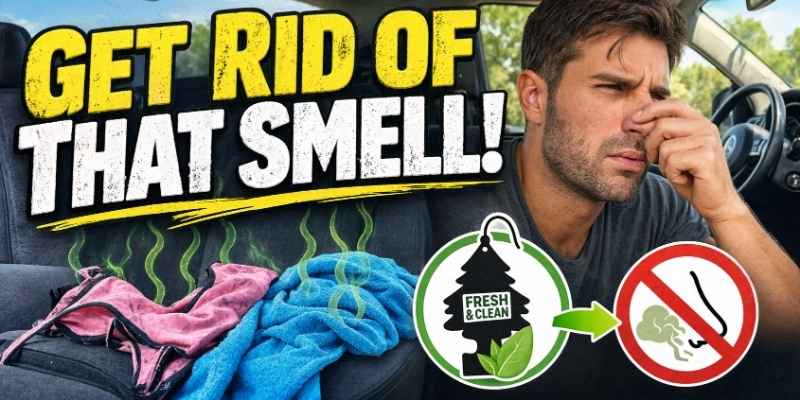
Driving home along the Costa del Sol after a beach day in Marbella, Fuengirola, or Estepona should be relaxing. But leaving wet swimsuits, damp towels, and beach gear on your seats can create a sour smell that lasts for days.
This damp smell in your car shows that moisture is trapped and that mold may be growing. In this guide, you will learn simple steps to remove these damp ‘Wet Swimsuit’ smells from your car and protect the seats from mildew.
We will discuss quick DIY solutions, deep car washing methods, maintaining your cabin air filter, and good beach habits to keep your vehicle smelling fresh all summer.
Why Wet Swimsuits Cause Odors in Cars
When wet swimsuits or damp towels sit on car seats, they transfer more than just water. They also leave behind dead skin cells, body oils, sweat, and dirt from the environment. In a humid car, this mixture creates a good environment for mold and bacteria to grow.
These germs thrive in moisture and eat the organic materials, releasing gases called volatile organic compounds (VOCs). These gases cause the musty, sour smell often associated with wet clothes.
Because modern cars are tightly sealed when parked, these odors spread throughout the cabin and cling to the headliners, door trim, and carpets, turning a small wet spot into a strong smell.
How Heat and Moisture Help Bacteria Grow in Upholstery
In hot summer months, the temperature inside a parked car can rise above 50°C (122°F). This heat creates a sauna-like effect. Car seats use thick foam for comfort. Unfortunately, this foam is porous and can soak up liquids, keeping them trapped deep below the fabric.
Even though sunlight might dry the fabric quickly, the foam underneath can stay wet for a long time. In these warm, dark conditions, bacteria like Staphylococcus and mold can multiply and create persistent smells that cleaning the surface or using air fresheners cannot fix.
How Sea Salt and Sand Contribute to Humidity
Seawater contains salt and minerals that change how moisture behaves in a car. Sea salt can absorb and hold water vapor, especially when the humidity is high, common in coastal areas.
When saltwater dries on car seats, salt crystals remain in the fibers. These crystals continue to attract moisture from the air, leaving the seats feeling damp and stopping the foam from drying out.
Beach sand can also get stuck in the crevices of seats and carpets. These tiny particles can trap small amounts of water, encouraging mold growth. If you find sand in your car after a day at the beach, knowing proper techniques for removing trapped beach sand from car carpets is essential to keep your car dry and odor-free.
Quick Steps to Get Rid of Damp Swimsuit Smells
If you notice a sour or musty smell in your car after a trip to the beach, act fast to prevent moisture from soaking deeper into the seats. Start by removing all wet items, beach bags, and floor mats from your vehicle. Once you’ve cleared the source, treat the interior to help expel any remaining moisture.
Letting the Interior Dry with Sun and Air
Using natural sunlight and airflow is the best way to dry out light dampness.
- Park in the Sun: Find a safe, sunny spot for your car so that the cabin can warm up without any security concerns.
- Create a Breeze: Open all four windows about 2 to 3 centimeters to let out hot, humid air instead of letting it condense on the windows.
- Use a Fan: Place a portable battery-operated fan or blower directly on the damp seat cushion to speed up the drying process.
- Lift Floor Mats: Take out rubber and carpet mats and prop them up in the sun to dry. This stops water from getting stuck between the mat and the carpet.
Using Natural Products to Absorb Moisture
Natural products can help draw out moisture and mild odors without using harsh chemicals.
- Baking Soda: Sprinkle a good amount of baking soda over damp cloth seats or carpet. It helps pull moisture up and neutralizes odors. Let it sit for 4 to 6 hours, then vacuum it up with a strong vacuum.
- Charcoal Bags: Put bamboo charcoal bags under seats or in the trunk. Charcoal absorbs moisture and odors naturally.
- Silica Gel Packets: Place large silica gel packets on the floorboards overnight. They will help absorb extra humidity from the air.
Cleaning Surfaces with Mild Vinegar or Odor Sprays
To clean the upholstery after drying, mix equal parts distilled white vinegar and water in a clean spray bottle. Lightly spray the affected fabric without soaking the seat padding underneath. The vinegar breaks down bacteria and neutralizes the sour smell.
The vinegar scent will fade within a few hours as it dries, taking the odor away. When you use cleaning sprays, make sure to keep air circulating inside your vehicle for your safety and comfort.
Follow official Andalusian public health guidelines to avoid harsh chemical fumes and ensure proper ventilation while cleaning to prevent respiratory discomfort.
Tackling Deep-Seated Mildew in Car Upholstery
When moisture sits in a closed car for more than 24 hours, it seeps into the seat padding and carpet layers. At this point, simple blotting and air fresheners do not work because they don’t eliminate the mold living deep inside the cushions.
Shampooing Seats and Removing Moisture Properly
Washing seat covers with soap and water without proper extraction can make mildew worse. Adding more water to already wet seats pushes moisture and dirt deeper into the seats.
This makes drying take longer and damages the foam. To clean upholstery safely, use an enzyme-based cleaner that breaks down organic stains. Follow this with a hot-water extraction vacuum.
These machines spray a cleaning solution and suck it back out, taking trapped water and bacteria away from deep inside the foam.
Deep Extraction Protocol Checklist
- Vacuum the dry upholstery well to remove loose dirt and debris.
- Apply a non-foaming enzyme cleaner evenly on the affected area.
- Gently brush with a soft plastic brush to loosen oils.
- Use a wet-dry extractor multiple times until the water runs clear.
- Dry the seat with a carpet dryer or vehicle fan for at least 3 to 4 hours.
If the foam remains wet, consider professional car upholstery cleaning to ensure the moisture is fully removed before any damage occurs.
Checking and Replacing the AC Cabin Air Filter
Moisture in the cabin can affect more than just the seats; it moves through the climate control system. When you use the air conditioning on recirculation mode, damp air filled with mold spores passes through the HVAC evaporator core and cabin air filter.
Moisture can build up on the filter and create a place for mold to grow. If you smell a musty, wet odor when you turn on your car, the cabin filter may be dirty. Check the filter behind the glove compartment.
If it looks dark, damp, or clogged, replace it right away. Also, fine dust can clog the filter and reduce airflow. Knowing how calima dust affects your cabin air filter helps you keep your vents clear and prevent dampness in the evaporator.
How to Prevent Wet Gear Odors After Beach Days
To avoid smelly, damp swimsuits after your beach trips, develop good habits before you go to popular spots like San Pedro de Alcántara, Benalmádena, or Mijas Costa. Keep wet gear away from your car’s fabrics to stop moisture from soaking in.
Smart Ways to Store Wet Towels and Suits
Don’t let damp swimwear sit on carpet floors or cloth seats. Store wet gear in ventilated or waterproof containers. This protects your car’s interior on your way home.
Storage Solution | Effectiveness | Best Use Case | Moisture Leakage Risk |
Waterproof Dry Bags | Very High | Storing soaked swimsuits & wetsuits | Extremely Low (Sealed) |
Plastic Trunk Liners | High | Containing sandy beach bags & boards | Low (Raised Edges) |
Ventilated Mesh Bags | Moderate | Short drives with damp towels | High (Requires Barrier) |
Plastic Grocery Bags | Low | Emergency temporary storage | High (Prone to Tears) |
Protecting Car Seats with Water-Resistant Covers
If you go to the beach often, consider installing protective seat covers. They help defend against wet gear, sweat, and salt.
- Neoprene Seat Covers: These covers are made from the same material as wetsuits. They are waterproof, flexible, and resist sun damage. They keep liquids away from your car’s upholstery while staying comfortable in hot weather.
- Heavy-Duty Towel Seat Protectors: These non-slip, washable microfiber towel covers easily fit over headrests. They soak up any moisture during short drives from the beach and can be washed right away.
- Waterproof Trunk Mats: Use fitted rubber or thermoplastic trunk liners to protect your car’s carpet from wet sports equipment, coolers, and umbrellas.
Also, remember that sunscreen and tanning oils can stain your seats. Knowing how to clean sunscreen and body oil stains on seats will protect your upholstery, leather, and fabric from greasy discoloration.
When to Seek Professional Vehicle Interior Detailing
If you experience serious moisture in your vehicle, it’s time to call a professional for help. Household methods can work for small damp spots, but if bad smells last more than 48 hours after drying, or if you see black or white mold along seat seams, DIY solutions won’t fix the problem.
Modern vehicle seats have sensitive electronic parts, like weight sensors and heater grids, that can get damaged from too much liquid cleaning. Professional detailers use specialized equipment to safely remove deep contamination:
- Thermal Steam Extraction: Industrial steam machines use pressurized dry steam at over 150°C (302°F) to clean seat fibers and kill mold spores without soaking the padding underneath.
- Antimicrobial Fogging: Special disinfectants in fog form reach areas like air ducts and carpets, eliminating odor-causing bacteria from all interior surfaces.
- Ozone Odor Elimination: Strong ozone generators fill the cabin with ozone gas, which breaks down organic odors and destroys bacteria at a molecular level, effectively removing stubborn smells from materials like leather and fabric.
If your vehicle needs thorough sanitization and moisture removal, professional car interior detailing will improve air quality and help maintain its resale value.
Restoring Freshness to Your Vehicle Interior
To keep your car smelling fresh during hot summer days, act quickly and develop good habits. Remove damp towels right away, use waterproof storage, and ventilate the cabin fast.
If moisture leads to mildew or deep moisture issues, regular air fresheners won’t solve the problem. Professional vehicle cleaning and moisture removal will restore clean air and protect your car’s upholstery for longer.
FAQs About Removing Wet Swimsuit Smells from Cars
Can damp seats damage the electronics underneath?
Yes, damp seats can harm the sensitive electronics in modern car seats. These include sensors and wiring for features like seat heating and airbags. If moisture seeps into the foam, it can cause electrical problems, trigger warning lights, or even damage connections.
How long does it take for mildew to grow in a car?
In warm and humid conditions, like those near the coast, mildew can start growing in just 12 to 24 hours after moisture gets into the seat foam. You might notice visible mildew or a bad smell within 24 to 48 hours.
Will baking soda remove deep damp smells completely?
No, baking soda only works on the surface. It can reduce light odors and pull moisture from the top fabric but won’t reach deep into the foam where bacteria thrive. For stubborn smells, you need professional cleaning methods, such as fluid extraction or thermal sanitization.
Should I run the car heater or AC to dry seats?
You should use the air conditioner set to a warm or moderate temperature, but make sure to turn off the air recirculation mode. Running the AC will help remove moisture from the air, and using outside air will help vent humid air out.


