
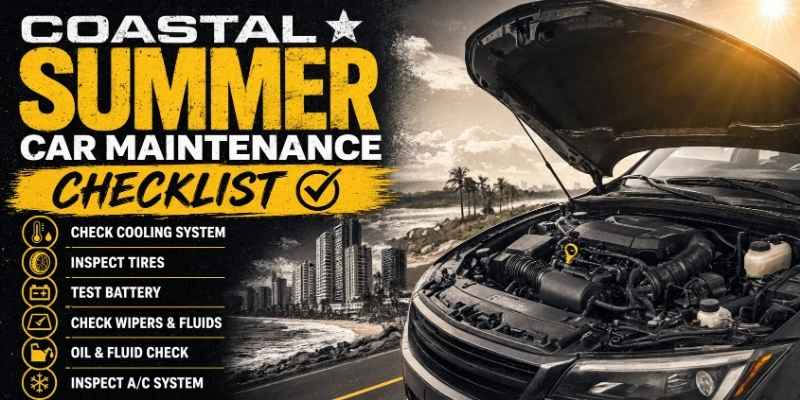
Driving along the Costa del Sol from Marbella to Nerja in summer offers beautiful Mediterranean views. However, months of intense sun, salty sea spray, and fine dust can damage your vehicle.
If you don’t take care of these issues, your car may suffer from bad paint, worn-out upholstery, and hidden rust underneath. Thankfully, a thorough end-of-summer cleanup can help keep your car looking good, feeling comfortable, and running well.
This complete end-of-summer coastal vehicle maintenance checklist will guide you through the steps to clean your car, refresh the interior, and prepare it for the autumn weather ahead.
Why Late Summer Vehicle Care Matters in Costa del Sol
Vehicle owners along the Málaga coastline face tough conditions from June to August. The intense sunlight and hot, dry Terral winds can raise temperatures inside vehicles above 40°C.
This weather speeds up damage to clear coats and interior materials. Additionally, tiny salt particles from the sea continuously settle on cars, especially those parked near the beaches along the A-7 and N-340 highways.
Another threat comes from Calima episodes, which are dust storms that bring fine Sahara dust to Andalusian skies. When this abrasive dust lands on hot car surfaces and mixes with morning sea fog, it creates a rough film.
Data from the State Meteorological Agency (AEMET) show that southern Spain often has very high UV levels in summer, which can reach UV 9 to 11. These levels, combined with dust storms, increase harmful particulate matter (PM10) in the air.
If you ignore vehicle maintenance after summer, these contaminants can cause serious damage:
- Galvanic Corrosion: Salt from the air attracts moisture from the coastal humidity. This moisture gets trapped against exposed metal, leading to rust on the underbody and frame.
- Clear Coat Micromarring: Baking quartz dust from Calima storms under intense UV light scratches clear coats, creating swirl marks and dullness if wiped improperly.
- Interior Plasticizer Migration: Direct sunlight dries out leather seats and vinyl dashboards, causing them to shrink, fade, and crack.
Taking action in late August or early September helps remove these harmful contaminants before autumn rain brings back leftover salt crusts. Understanding how coastal air affects your car’s paint highlights the need for timely post-summer detailing to maintain its resale value.
Protecting Your Vehicle from Summer Sun and Salt Damage
If your vehicle has faced months of sun and salt by the coast, it needs careful cleaning to restore its exterior. Avoid rushing into washing right away, as this can harm the clear coat if abrasive deposits sit on hot paint.
Wash Away Built-Up Marine Salt and Road Grime
A basic garden hose rinse won’t remove embedded sea salt crystals. Sodium chloride sticks tightly to metal surfaces, especially in hidden spots under the chassis where air doesn’t flow well.
- High-Pressure Rinse → 2. Non-Abrasive Pre-Wash → 3. Undercarriage Flush → 4. Neutral-pH Contact Wash
- Flush the Undercarriage: Use a high-pressure spray to clean underneath the floor pans, suspension arms, brake calipers, and wheel arch linings to remove salt and dirt buildup.
- Apply a Neutral-pH Pre-Wash: Spray a citrus-based pre-wash or snow foam on the lower body panels to break down salt and grime without damaging protective coatings.
- Perform a Two-Bucket Wash: Wash the body panels from top to bottom with a soft microfiber wash mitt and neutral-pH shampoo. Use one bucket for rinsing the mitt with a grit guard, and another bucket for fresh soapy water.
- Rinse and Decontaminate: Rinse thoroughly with low-mineral water to avoid hard-water spots. Then, use an iron fallout remover to clean embedded metal particles from alloy wheels and brake rotors.
Car owners can achieve a thorough exterior cleaning without risking paint damage by using professional exterior car washing services designed for coastal areas.
Drivers parking near beaches in Estepona, Fuengirola, or Puerto Banús should also check guidelines on protecting their cars from salt air.
Safely Remove Calima Dust Without Scratching Paint
Saharan Calima dust contains tiny quartz and mineral particles. Wiping dusty surfaces with a dry cloth or sponge can scratch the paint, so avoid doing that.
To safely remove Calima dust:
- Don’t dry-wipe dusty areas—skip detail sprays or duster brushes when it’s heavily dusted.
- Start with a touchless water wash to blow away loose particles.
- Apply a thick snow foam to trap any remaining particles, allowing them to wash away gently.
For a comprehensive guide on handling Saharan dust storms without ruining clear coats, read our detailed article on how to safely remove Saharan dust without scratching paint.
Treat Paintwork and Seal Surfaces Against UV Damage
After removing dirt and particles, treat horizontal surfaces like your hood and roof. Use a wax, sealant, or coating to restore the protective layer on the paint. This helps repel sunlight, moisture, and future stains from bird droppings or sap.
For busy owners in Marbella and Mijas, you can book a certified mobile car wash to get high-quality protection applied at home using eco-friendly methods.
Interior Restoration: Sand, Sunscreen, and Heat Exposure
Driving to the coast can wear out a car’s interior. Sand, body oils, sunscreen residue, and high heat can quickly damage materials during the hot summer months.
📌 Trapped Beach Sand → Fibre Abrasion & Wear→ Deep Agitation & Extraction
📌 Baked Sunscreen → Chemical Discoloration → Enzyme/pH Neutral Treatment
📌 UV & Thermal Stress → Plasticizer Evaporation → Silicone-Free Conditioning
Removing Sand and Salt from Carpets and Mats
Beach sand gets stuck in car carpets and can cause damage over time. To clean it out:
- Take out the floor mats and hit them outside to remove sand.
- Use a stiff-bristle brush or power agitator to loosen sand from the carpets.
- Vacuum with a strong nozzle while tapping the carpet to dislodge trapped sand.
- Treat areas with salt buildup using warm water extraction to dissolve salt crystals.
For heavily soiled carpets, you may need commercial cleaning equipment. You can either learn how to remove beach sand from car carpets yourself or hire a professional car interior cleaning service.
Cleaning Sunscreen and Body Oils Off Seats
Waterproof sunscreens contain inorganic metal oxides (such as zinc oxide and titanium dioxide) designed to cling to surfaces. When mixed with body perspiration and baked onto seats by 60°C interior cabin heat, they leave stubborn, chalky white stains on leather, vinyl, and textile upholstery.
To clean sunscreen stains safely:
- Don’t use strong household cleaners like dish soap or alcohol, as they can damage leather.
- Use a pH-balanced interior cleaner. Spray it on a soft brush instead of directly on the seats.
- Gently scrub the stains in small circles to lift oils.
- Wipe the area with a damp microfiber cloth to remove residue.
When fabric or leather seats suffer from extensive discoloration, professional car upholstery cleaning provides deep chemical extraction.
You can also review step-by-step DIY techniques in our guide on how to get sunscreen and body oil stains out of car seats.
Caring for Sun-Damaged Leather and Vinyl Trim
Prolonged sun exposure can dry out dashboards, door panels, and leather, making them crack or become sticky. To restore them, follow this care routine:
- Wipe down the dashboard and trim with an anti-static, matte-finish cleaner.
- Clean leather seams with a pH-balanced leather soap.
- Apply a silicone-free leather conditioner with UV protection.
- Let the conditioner sit for 20 minutes, then wipe off any excess with a clean towel.
- Treat rubber door seals with a specialized rubber conditioner.
To prevent long-term sun damage to luxury vehicle cabins across the Golden Triangle, read our recommendations on how to prevent leather car seats from cracking in summer.
Post-Summer Inspections for Vehicles
After summer, it’s important to check your vehicle for both appearance and key functional parts that may have been affected by heat and dust.
Check Air Filters After Dust Exposure
During summer, Calima events in southern Spain can fill air filters with fine dust. A clogged air filter limits airflow to the engine, which can lead to poor fuel combustion and slow throttle response.
Calima Dust → Clogged Filter → Reduced Airflow / Bad Odors → Filter Replacement
Don’t forget the cabin pollen filter. Dust and salt can cause mold and bacteria to grow in it, leading to musty smells when you use the air conditioning or defroster. Inspect both filters in late August and replace them if they are discolored with dark dust. You can learn more about the risks of Calima dust to your car’s engine and air filters.
Inspect Wiper Blades and Fluid After Heat
Strong sunlight and high temperatures can damage wiper blades, making them hard and brittle. Using worn blades during sudden autumn rain can cause smearing and reduced visibility along highways like the AP-7.
- Check wiper edges for cracks or warping.
- Clean your windshield with glass polish to remove film and haze.
- Refill the washer fluid with a cleaner that resists hard water to avoid clogging.
Examine Tires and Brakes for Heat Damage
Driving at highway speeds on hot Andalusian asphalt (where surface temperatures frequently exceed 60°C) accelerates tire rubber wear and increases internal inflation pressures.
High Road Temperatures → Pressure Changes → Tire Wear and Damage
According to road safety guidelines from Spain’s Dirección General de Tráfico (DGT), it’s essential to drive on correctly inflated tires with at least 1.6 mm of tread depth. Under-inflated tires can make handling difficult and increase the risk of skidding in heavy rain.
- Check the tire pressure when they are cold and adjust to the manufacturer’s recommendations.
- Inspect the tread depth across the tire for even wear.
- Look through the wheels to check brake rotors. Light rust is normal, but deeper pits or squeaking brakes may indicate corroded parts that need a mechanic’s attention.
Pre-Autumn Action Plan: Essential Maintenance Checklist
Consolidate your post-summer vehicle care using this prioritized operational checklist:
Maintenance Phase | Target Component | Priority Level | Key Maintenance Action | Recommended Tool / Product |
1. Underbody & Wheels | Subframe, Brake Calipers, Arch Linings | High | Flush trapped salt crusts and iron fallout residue. | High-pressure washer, Neutral Iron Fallout Remover |
2. Paint Decontamination | Clear Coat, Hood, Roof, Trunk | High | Contactless foam pre-soak followed by a two-bucket wash. | Touchless Snow Foam, Microfiber Wash Mitt |
3. Surface Protection | Exterior Panels, Alloy Wheels | Medium | Apply UV-blocking sealant or paint protection film layer. | Synthetic Polymer Sealant or Ceramic Detailer |
4. Interior Extraction | Floor Carpets, Trunk, Footwells | High | Agitate trapped beach sand and perform hot-water extraction. | Stiff Agitation Brush, High-Lift Vacuum Cleaner |
5. Upholstery Care | Leather Seats, Dashboard, Trim | Medium | Clean sunscreen stains and nourish UV-dried leather/vinyl. | pH-balanced Leather Soap, UV Leather Conditioner |
6. Air Filtration | Engine Intake & Cabin Microfilter | High | Inspect and replace Calima-clogged paper filter elements. | Replacement Cabin Air / Engine Filter |
7. Safety & Vision | Wiper Blades & Tyre Pressures | Critical | Replace heat-warped rubber blades; adjust cold tire pressures. | Silicone Wiper Replacements, Digital Tire Pressure Gauge |
Prepare Your Vehicle for Autumn in Costa del Sol
Taking care of your vehicle after summer protects it from the unique climate in southern Spain. Cleaning off salt, sand, and sunscreen residue prevents damage, keeps the interior comfortable, and ensures your car runs well as the weather changes.
Regular home maintenance plus occasional professional cleaning is the best way to care for vehicles in Málaga, Marbella, Mijas, Estepona, and nearby areas.
Whether you do minor tasks yourself or hire professionals like WE Cleaning, addressing summer wear now keeps your car protected, comfortable, and ready for autumn all year long.
FAQs About End-of-Summer Coastal Vehicle Care
How often should I wash my car after summer in Málaga?
If you park your car within 1–2 kilometers of the Mediterranean, wash it every two weeks with fresh, low-mineral water. This will help prevent salt from the air from bonding to the metal and paint. For cars parked further inland, in areas like Coín or Alhaurín de la Torre, washing once a month is enough to reduce dust buildup.
Can beach salt cause rust if left on car paint all winter?
Yes. Salt absorbs moisture from the air during cool autumn nights. This can lead to rust on exposed metal parts, such as paint chips, undercarriage frames, exhaust hangers, and brake lines.
What is the best way to clean sunscreen off leather seats?
Use a pH-balanced interior cleaner or leather soap with a soft horsehair detail brush. Gently scrub to lift the sunscreen out of the leather, then wipe immediately with a clean, damp microfiber towel. Avoid using harsh household cleaners or alcohol wipes, as they can damage the protective topcoat on leather.
Should I change my cabin air filter right after summer?
Yes. Summer dust can clog your cabin air filter with tiny particles. Change it in late September to remove dirt and mold, ensuring fresh air circulation and clear windows during autumn rains.


