
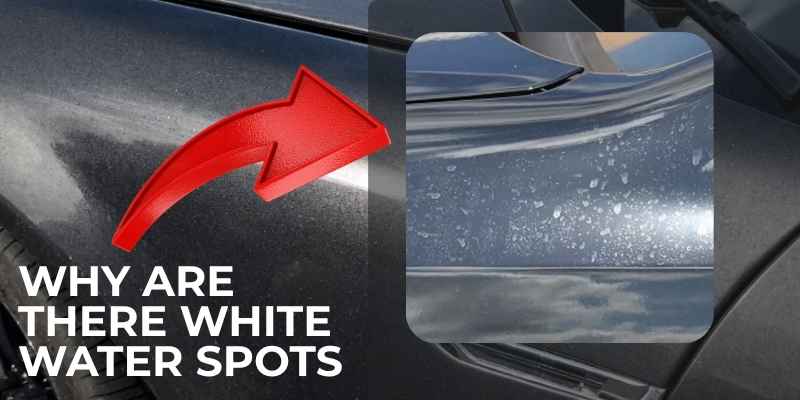
It can be very frustrating to wash your car only to find ugly white spots when it dries. Finding these white water spots on your car after washing can make your hard work feel useless.
Fortunately, knowing why these spots happen can help you remove them and stop them from coming back. This guide explains how minerals in water, fast evaporation, and drying in the sun create these stubborn stains.
You will also learn how the tap water in Málaga, Marbella, and the Costa del Sol area makes these spots form more quickly. Plus, you’ll find easy, step-by-step ways to safely restore your car’s paint.
What Causes White Water Spots on Your Paintwork?
White water spots are not dirt or soap leftovers; they are solid mineral deposits left when water evaporates. Tap water and rain contain tiny amounts of dissolved minerals like calcium, magnesium, and sodium.
When water sits on a car panel, it turns from liquid to gas during evaporation. The dissolved minerals, however, do not evaporate. As the water shrinks, the concentration of minerals increases, forming solid crystals on the car’s surface.
The shape of a water droplet affects this process. The surface tension causes water to form a dome shape on smooth paint. As the heat warms the panel, the water evaporates fastest at the thin edges of the droplet.
The minerals move toward the edges, leaving behind a round, chalky ring. Once dried, these crystals bond with the clear coat, making simple cleaning ineffective.
Type 1: Surface Mineral Deposits (Stage 1)
Type 1 water spots are fresh mineral marks sitting on top of the clear coat. These spots appear right after wash water evaporates and have not been exposed to heat for long.
Since the minerals are only on the surface and not inside the paint, Type 1 spots are the least severe. You can easily remove them with mild cleaning before heat makes them bond more firmly.
Type 2: Etched Clear Coat Damage (Stage 2 & 3)
When surface minerals stay on the paint in direct sunlight and heat, they can become Type 2 clear coat etching. The sun heats the metal under the paint, causing the clear coat to soften.
At the same time, concentrated minerals can become very alkaline or acidic with moisture. These reactive minerals can damage the softened clear coat, creating tiny craters.
To fix Type 2 damage, you need to use mechanical paint correction instead of just general vehicle washing, as the surface has been damaged.
Primary Causes of Post-Wash Mineral Spots
Post-wash mineral spots happen when washing habits combine with environmental conditions that speed up water loss. By controlling these factors, you can greatly reduce mineral bonding after washing.
- High Mineral Levels: Using unfiltered tap water can add high amounts of dissolved rock minerals onto clean paint.
- Heat Evaporation: Washing a hot car makes water droplets evaporate quickly, before you can dry them.
- Water Sitting: Letting water droplets sit on flat surfaces like the hood, roof, or trunk allows minerals to settle and form crusts.
- Insufficient Absorbency: Using damp or poor-quality towels spreads water instead of soaking it up, leaving the mineral-rich water on the clear coat.
Hard Water and High Total Dissolved Solids (TDS)
Municipal tap water typically has a high Total Dissolved Solids (TDS) count, measured in parts per million (ppm). TDS reflects the combined total of inorganic salts dissolved in the liquid supply.
When water sources pass through limestone bedrock or underground chalk aquifers, groundwater absorbs high concentrations of calcium carbonate (CaCO₃) and magnesium sulfate.
Standard garden hose water drawn directly from domestic taps frequently measures between 200 ppm and over 400 ppm TDS. Rinsing a car with high-TDS water introduces millions of microscopic mineral particles that crystallize instantly as the water film breaks down.
Direct Sunlight and Washing on Hot Panels
Washing a car in bright sunlight causes quick evaporation. When the sun heats metal panels above 50°C, the cold rinse water evaporates almost instantly. This fast drying traps minerals on the warm paint, making them hard to remove.
Incomplete Drying and Improper Towel Techniques
Letting a car air dry is a major cause of mineral spots. When rinse water dries naturally, it leaves behind all the minerals in the droplets. Using worn cotton towels, synthetic chamois, or damp microfiber towels means you won’t fully remove water. Instead, you spread a thin layer of mineral-dense water across the panel, which dries into a cloudy film.
Local Factors: Water and Climate in Costa del Sol
Car owners in Málaga, Marbella, Estepona, Mijas, and nearby areas deal with tough conditions that cause water spots on their vehicles. The coastal geography of southern Spain combines water with high mineral content and a challenging Mediterranean climate.
Understanding these regional factors is vital to preventing long-term damage, particularly when managing the effects of mineral-heavy tap water on automotive clear coats.
Tap Water Mineral Content Across Málaga Province
The municipal water in Málaga province comes from limestone-rich aquifers, coastal wells, and local reservoirs like La Concepción. According to official provincial water quality data, the water is often considered “hard” to “very hard,” usually measuring over 25 to 30 French degrees (ºfH) or 300 mg/L CaCO₃ equivalency.
When people wash their cars with standard tap water in places like Nueva Andalucía, San Pedro de Alcántara, or Fuengirola, the high levels of calcium carbonate leave chalky white rings as soon as the water dries.
Calima Dust and Coastal Sea Salt Exposure
The Mediterranean weather introduces two key factors for water spots: Saharan dust storms (known as Calima) and sea salt in the air. Winds from the ocean carry fine African dust made up of alkaline clay, quartz, and mineral oxides.
At the same time, ocean breezes bring fine salt (sodium chloride) onto vehicle surfaces. When unfiltered tap water mixes with settled Calima dust or sea salt, it creates a harsh, abrasive paste.
Washing a car during or right after these conditions without rinsing properly can cause deep scratches in the clear coat, so special care is needed to remove the Calima dust safely.
How to Safely Remove Fresh White Water Spots
To safely get rid of water spots after washing your car, follow these steps in order. Start with the gentlest method before using stronger techniques.
Step 1: Wash and Use Acidic Cleaners
These water spots come from calcium and magnesium, which are alkaline. You can dissolve them using a mild acidic cleaner.
- Preparation: Wash and dry your vehicle in the shade to remove dirt and dust.
- Chemical Application: Spray a water spot remover designed for cars (pH 4.0–5.5) or a mix of 50% distilled white vinegar and 50% distilled water onto a clean microfiber towel or directly on the affected area.
- Dwell Time: Let the solution sit for 30 to 60 seconds. The mild acid will help break down the deposits without damaging the clear coat.
- Wipe and Neutralize: Wipe the area gently with a soft, clean microfiber towel. Rinse the panel thoroughly with distilled or filtered water to remove any acid, then dry it completely.
Step 2: Use a Clay Bar for Stubborn Spots
If you still feel mineral deposits after using the acidic cleaner, you need to use a clay bar.
- Lubrication: Spray the area with a clay lubricant or a detail spray to keep the surface wet. Don’t use a clay bar on dry paint.
- Clay Application: With light pressure, move a fine-grade automotive clay bar or clay mitt back and forth over the lubricated area.
- Shearing Action: The clay will grip and remove the raised mineral spots without scratching the paint.
- Inspection: Wipe off any leftover lubricant with a fresh microfiber cloth and inspect the paint under good light.
Step 3: Polish for Deep Etching
If the spots have etched into the paint, you will need to polish.
- Equipment: Use a dual-action (DA) orbital polisher with a light-cutting or finishing foam pad and a fine polishing compound.
- Surface Leveling: Put 3–4 pea-sized drops of polish on the pad. Work on a 40×40 cm section using slow, overlapping passes, applying light pressure.
- Clear Coat Correction: The tiny abrasives in the polish will smooth the clear coat, helping to restore a flat finish.
- Professional Service Option: If your car has many etched areas, it might be best to hire a professional exterior car wash service for safe and even paint correction without risking damage.
How to Prevent Water Spots After Every Wash
To stop water spots from forming, control the surface temperature, remove dissolved solids from the water, and minimize how long water stays on the car’s surface.
- Filter Wash Water: Use a water filter to get rid of dissolved minerals before the water touches your car’s paint.
- Maintain Hydrophobic Protection: Keep your car’s paint coated with synthetic sealants or ceramic coatings that make water bead up and roll off.
- Dry Thoroughly and Quickly: Don’t let rinse water sit on the car; dry it immediately with specialized high-pile microfiber towels.
- Wash Sectionally: Wash and rinse one panel at a time in extreme heat to avoid letting water dwell on warm panels.
1️⃣ Wash in Shaded Areas or Cooler Times
Where you wash matters. Always wash your car in the shade or during cooler parts of the day, like early morning or late evening.
The car panels should feel cool before you add water. Washing cool surfaces helps prevent quick evaporation, giving you enough time to wash, rinse, and dry each section before water spots form.
2️⃣ Use Deionized Water or RO Rinse Systems
The best way to avoid water spots is to rinse with water that has zero dissolved solids. Inline deionization (DI) filters or reverse osmosis (RO) systems remove minerals from tap water.
Rinsing your car with deionized water (0–10 ppm TDS) leaves no minerals in the water droplets. Even if some droplets dry in the sun, they won’t leave behind spots or rings.
3️⃣ Apply Protective Coatings and Hydrophobic Sealants
Putting on protective coatings, like ceramic coatings or high-quality waxes, changes how the surface interacts with water. Good ceramic coatings make water bead up and roll off easily during the final rinse.
For people with local water restrictions or limited shaded washing areas, eco-friendly waterless car wash solutions can provide a great alternative that eliminates standing water during cleaning.
Summary and Final Paint Care Recommendations
White water spots on your car are mineral deposits—mostly calcium and magnesium—left when tap water or rainwater evaporates in the heat. Allowing these spots to sit in direct sunlight can cause them to damage the clear coat.
To keep your car looking good, always wash it in the shade, use high-absorbency microfiber towels to dry it right after rinsing, and think about using deionized rinse filters. If spots or damage become severe, seek help from a professional or use certified mobile detailing services for safe, high-quality paint restoration.
FAQs About White Water Spots on Vehicles
Can vinegar safely remove water spots from car glass?
Yes, mixing equal parts distilled white vinegar and distilled water can safely remove fresh mineral spots from car windows. Glass is non-porous and resistant to chemicals, so this mild acid works well. However, avoid using vinegar on unsealed rubber seals, anodized aluminum trim, or damaged window tint. Always rinse with clean water afterward.
Will a standard car wash remove hard water spots?
No, regular car washes use pH-neutral shampoos that mainly clean dirt and grime. They don’t have the acidity needed to break down calcium deposits or fix the surface damage from water spots. To remove tough spots, you need special acidic cleaning products or polishing.
Does ceramic coating completely stop water spots?
Ceramic coatings provide great protection against chemicals and help water run off, but they don’t make your car immune to water spots. If hard water sits on the car in hot sunlight, it can leave mineral deposits on the coating. However, the coating helps prevent these minerals from marking the clear coat underneath.
How quickly can sunlight cause water spots to etch paint?
In warm coastal areas where car surfaces can heat up to 45°C–50°C, mineral droplets can start to damage the clear coat within 10 to 20 minutes after the water evaporates. Heat speeds up the reaction between the minerals and the paint.
Is it legal to wash your car at home during drought alerts on the Costa del Sol?
During drought alerts, local authorities in Andalusia may restrict or ban car washing with hoses to save water. Check local rules regarding Costa del Sol driveway hose-pipe restrictions before washing at home to avoid fines. Consider using commercial car washes that recycle water or authorized mobile detailing services.


