
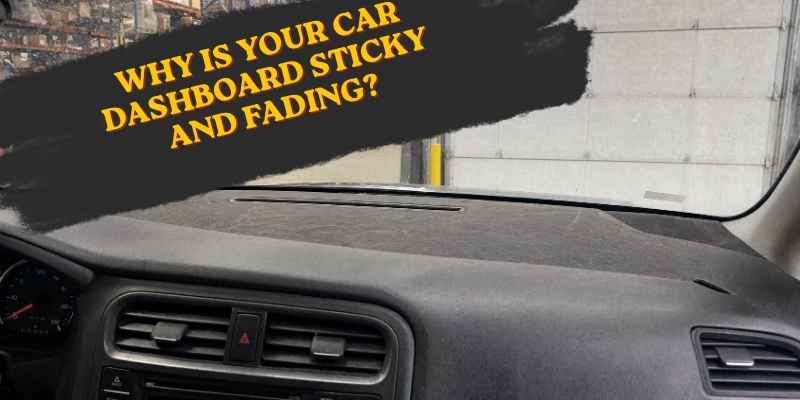
Opening your car after it has been parked under the intense Spanish summer sun can be frustrating. The dashboard may feel sticky, look faded, or leave a strange shine across the surface. For many drivers in Marbella, Málaga, and the Costa del Sol, this becomes a common problem after repeated exposure to strong sunlight and high cabin temperatures.
A sticky car dashboard in the heat is usually not just a car washing issue. It can be a sign that the materials used in the dashboard surface are ageing due to UV radiation, heat cycles, and chemical breakdown. In this guide, we explain why dashboards become tacky and faded, how to clean them safely, and what you can do to protect your vehicle interior from further damage.
Root Causes of Sticky and Faded Dashboards
Automotive interiors are made to last, but heat can damage even the best materials like vinyl, rubber coatings, and trim. Knowing how heat affects your car’s surfaces can help you fix the problem without causing more damage.
Chemical Damage to Car Interior Plastics
Modern dashboards are made of several layers. They usually have a sturdy plastic base made from acrylonitrile butadiene styrene (ABS) and a soft outer layer made from polyurethane or synthetic leather made of polyvinyl chloride (PVC). Manufacturers add soft-touch rubber coatings to give the hard plastic a luxury feel.
Over time, heat can break down these materials. This process, called depolymerization, causes the long polymer chains to weaken. As these materials break down, the protective coating loses its strength. Instead of staying smooth, the top layer becomes soft and sticky, making your dashboard attract dirt.
Impact of Extreme Mediterranean Sun Exposure
Car interiors can heat up quickly, like ovens. When sunlight shines through the windows, it heats the inside of the car. According to DGT thermal safety measurements, the temperature inside can rise above 60°C within 30 minutes when it’s 35°C outside. On dashboards close to the windshield, temperatures can even reach over 70°C.
Furthermore, regional weather data from AEMET solar UV data confirms that the solar UV index across Málaga and the coastal corridor regularly reaches levels 9 to 10+ (“Very High” to “Extreme”) during summer. This combination of intense sunlight and heat can break down materials faster than in cooler areas. The humidity and salty air also speed up the damage, turning soft-touch coatings into a sticky mess.
Harmful Vehicle Cleaners and Chemical Reactions
Many car owners accidentally make matters worse by using harsh cleaning products. When a dashboard starts to feel sticky, using strong solvents or aggressive household cleaners can harm the surface.
- Harsh Solvent Cleaners: Products like acetone and industrial cleaners can strip away UV protection and change the color of the plastic.
- High-Alcohol Formulas: Undiluted rubbing alcohol can damage the protective layers and leave white stains.
- Petroleum-Based Silicone Sprays: Cheap silicone sprays can trap heat on vinyl surfaces, causing the plastic to dry out.
- Abrasive Pads: Using rough sponges or brushes can scratch and damage the soft outer layer.
By understanding these issues, you can help protect your dashboard from damage.
How Heat and UV Radiation Damage Cabin Plastics
The damage to an instrument panel usually falls into two main issues: stickiness (chemical weeping) and fading (photolytic bleaching).
Understanding Plasticizer Breakdown
To make rigid PVC vinyl flexible for shaping dashboards, manufacturers add chemicals known as phthalate esters, which are called plasticizers. These molecules are not bonded to the vinyl but sit within its structure like a liquid cushion.
When the cabin gets too hot and crosses a certain temperature, these plasticizers become very mobile. The heat pushes them outward, causing a process called plasticizer leaching or “sweeping.” As they evaporate, they create a sticky film on the dashboard.
As these substances are released, they can also condense on the inside of the windshield, causing an oily haze that’s tough to clean.
Fading, Discoloration, and Surface Cracking
Heat causes plasticizers to move, while ultraviolet (UV) light leads to fading. High-energy UV rays hit the dashboard, breaking chemical bonds in color pigments and plastics.
- Fading Colors: Dark dashboard colors absorb more light, leading to dull, gray, or chalky finishes.
- Loss of Elasticity: As plasticizers continue to evaporate due to temperature changes, the remaining vinyl becomes stiff.
- Surface Cracking and Warping: With less flexibility, the vinyl cannot handle temperature changes. It can shrink, warp at the edges, and develop fine cracks that may deepen over time.
Safe Ways to Fix Sticky Dashboards
To restore a sticky or faded dashboard, follow these steps carefully. Using the wrong methods can damage the dashboard permanently.
➤ SAFE DASHBOARD RESTORATION STEPS:
[Step 1] | Initial Check: See if the material is stable or melting. |
[Step 2] | Dusting: Use a dry, high-pile microfiber cloth gently (no pressure). |
[Step 3] | Washing: Use a pH-neutral cleaner with a soft microfiber cloth. |
[Step 4] | Rinse Away Residue: Use a damp microfiber cloth only with water. |
[Step 5] | UV Protection: Apply a non-greasy, matte water-based protectant. |
Gentle Cleaning Techniques
If your dashboard is slightly sticky from dirt and some plasticizer migration, follow this simple cleaning process:
- Park in the Shade: Let the dashboard cool down completely before cleaning. Don’t work on hot plastics.
- Dry Dusting: Gently wipe loose dust and dirt with a clean, dry microfiber towel. Don’t push debris into the vinyl.
- Apply a pH-Neutral Cleaner: Lightly spray a mild, pH-balanced cleaner onto a microfiber cloth, not the dashboard itself. Clean with small, circular motions.
- Rinse with a Damp Cloth: Wipe the area with a damp cloth to remove oils and cleaner residue.
- Dry Completely: Pat the surface dry with a clean cloth and let it air dry.
While cleaning, remember that other materials in the car also suffer from heat. If you have leather seats, check out tips on preventing summer heat damage on leather seats to keep them from drying out or cracking.
Restoring Appearance with UV Protectants
After cleaning and drying the surface, apply a non-greasy barrier to protect against UV rays. Look for water-based products that specifically mention UV protection, like Hindered Amine Light Stabilizers.
Avoid cheap, shiny silicone products. A good protectant will leave a clean, matte finish that nourishes dried plastics without attracting dust or creating glare on the windshield.
Preventing Summer Heat Damage on Costa del Sol
If you live or drive along the coastal roads like the A-7 and AP-7, your vehicle gets a lot of sun exposure all year round. Here are some daily habits to help reduce heat inside your car.
Essential Vehicle Protection Tips From the Sun
To lower heat and protect materials from sun damage, follow this checklist:
- Use a Reflective Sunshade: Always place a rigid, metallic sunshade across your windshield when parking outdoors, especially in beach lots in Estepona or Fuengirola. This can reduce heat on surfaces by up to 25°C.
- Park in Shaded Spaces: When you can, use underground garages or shaded parking spots in busy areas like Marbella and Málaga.
- Apply Ceramic Window Tinting: Apply a legal ceramic film on side windows to block heat and up to 99% of harmful UV rays.
- Ventilate Before Driving: Open all doors for 60 seconds before starting the air conditioning to let out superheated air that can reach 60°C.
- Apply UV Conditioner Quarterly: Keep up with interior care by treating vinyl, trim panels, and leather dashboards every three months.
For more tips on caring for your car’s interior in southern Spain, check our detailed advice on protecting your car interior from direct Spanish sunlight.
When to Consider Professional Car Interior Detailing
If soft rubber coatings inside your car are badly damaged, regular cleaning will not fix it. Trying to wipe a messy, sticky finish will only spread the issue.
➤ DIY vs. Professional Cleaning Options
Condition | DIY Method | Professional Method |
Dust & Light Film | pH-Neutral APC + Microfiber | Maintenance Detailing |
Mild Surface Tackiness | Water-based UV Dressings | Steam Decontamination |
Liquefied Soft-Touch | ❌ Do Not Attempt | Chemical Stripping |
Bleached & Faded Dyes | ❌ Ineffective | OEM Interior Re-Dyeing |
Deep Structural Cracks | ❌ Ineffective | Vinyl Welding / Re-Trim |
For severe coating damage, professional help is essential. Detailers use special techniques and chemicals to safely clean without harming the plastic underneath. If your vehicle cabin needs serious restoration, book a professional car interior cleaning service to get it back to a clean, smooth finish.
Restoring Your Vehicle Interior in Málaga
To prevent dashboard damage, you should clean gently, use water-based UV protectants, and shield your car from the sun. This keeps the materials safe, reduces glare, and helps maintain your car’s value.
If your dashboard or trim has already been badly damaged by heat, avoid strong household cleaners. Instead, consult a local vehicle care specialist in the Costa del Sol, like WE Cleaning, to safely clean and protect your car’s interior for the long term.
FAQs About Sticky and Faded Dashboards
Can Rubbing Alcohol Fix a Sticky Dashboard?
No, using strong rubbing alcohol or acetone can be risky. While it may temporarily remove sticky oils, it also damages the protective clear coat and strips the color underneath. This can lead to patchy white spots, permanent chalkiness, and faster aging of the plastic.
Is a Melting Dashboard Safe to Drive With?
A sticky dashboard is dangerous. Damaged vinyl can reflect light upward, causing glare that can blind drivers, especially in bright sun or when facing oncoming traffic. Additionally, chemicals from the plastic can create a greasy film on the windshield, making it hard to see at night.
How Hot Can a Car Interior Get in Málaga?
In the hot summer months on the Costa del Sol, when temperatures reach 35°C to 38°C, car interiors can quickly rise to 60°C to 70°C in about an hour. Dark dashboards under the windshield can become even hotter, exceeding 80°C.
Will Sunshades Prevent Interior Plastic Fading?
Yes. Good-quality reflective sunshades block harmful UV rays and prevent the interior from getting too hot, which helps protect the plastic from damage.


